Episode 221
Plug the Biggest Hole with Jared Millar
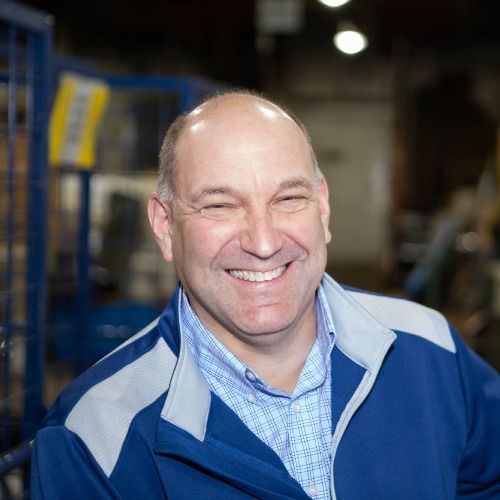
This week on the show we talk with Jared Millar, co-founder and head of operations at Big Blue Collar, a growth partner built specifically for blue collar businesses. Before getting into marketing and operations, Jared spent years running his own tile setting business, so he's coming at this from inside the trades, not just as an outside consultant.
A lot of the conversation centers on a mindset shift Jared sees constantly: business owners think their problem is a lack of leads, when the real issue is usually what happens after the phone rings. Missed calls, no follow-up system, no plan for staying in touch with a customer who isn't ready to buy yet, these gaps cost more than any ad spend ever could. Jared also gets into the value of looking inward before spending more on marketing, using the idea of finding the biggest leak first instead of trying to patch everything at once.
We also dig into team culture and training, including a story about a crew that didn't feel empowered to answer a simple question on the spot, and what that costs a business in missed opportunities. Jared closes out with his read on how different generations of owners are adapting to newer tools and marketing channels, and where he sees the biggest room for growth right now.
Highlights
- Jared's background running his own trades business before moving into growth and marketing.
- The "find the biggest hole and plug it" approach to fixing a struggling business.
- How team culture and training affect whether missed opportunities get caught or lost.
- How different generations of blue collar owners are adapting to newer marketing tools.
Make sure to subscribe so you never miss an episode. We bring on guests to talk about topics you won't find anywhere else, straight from people who actually work in the trades.
Get in touch with Jared:
Get in touch with us:
Check out the Blue Collar BS website.
Steve Doyle:
Brad Herda:
This podcast uses the following third-party services for analysis:
Podtrac - https://analytics.podtrac.com/privacy-policy-gdrp
OP3 - https://op3.dev/privacy
Transcript
Welcome back everyone to this episode of BlueCaller BS. How you doing today, Brad?
Brad Herda (:Fantastic. Mr. Steven Doyle as we're recording here in the first week of March golf season starts this Sunday.
Doyle (:Okay. Woo. Woo. Yeah. Cow pasture pool. Let's go.
Brad Herda (:I know. I know you're really excited. know. Woo. Yay. Woo. You need to get, cause you need to get a life and find a hobby. So you're just saying, just saying, right? You got to get the kayak out. You got to get the boat out. You got to get all the things ready so you can go spend some time on the water. It's getting close.
Doyle (:Well, well not wrong there not wrong there
Doyle (:That's true. This is true.
Brad Herda (:It's almost ice out.
Doyle (:Well, I mean, I do walk on water every now and then, so. So, Brad, who do we got on the show today?
Jared (:you
Brad Herda (:don't even go there. Don't even go there.
Brad Herda (:Today we got on the show, Jared Malar, co-founder and head operations at Big Blue Collar, a growth partner dedicated to blue collar businesses. When we chatted in our pre-call, isn't our normal, our normal guest, but his energy, his passion, his desire for success in this industry was something that we could not afford to let our audience just not hear from or know about. So Jared, thank you for being here today on the Blue Collar B.S. podcast.
Jared (:Yeah, appreciate being here and thanks for the invite and thanks for the kind words.
Brad Herda (:Well, they're kind. They're kind now. Just wait. It could change. Steve, Steve has been known to kind of be an asshole sometimes to our guests,
Doyle (:well, you say that now. You say that now. Make your change.
Jared (:I understand.
Doyle (:I mean, I do have my moments. Everybody knows that. But so I'm going to forget this real quick here. I better ask this now. Jared, what generation do you fit in with? All right, all right. Brad's favorite. You can say whatever you want. Nobody's holding your hand. Nobody's holding your hand over there as far as I know. anyways. Yeah, we did.
Brad Herda (:Yeah.
Jared (:I'm ready.
Jared (:Yeah, I fit in with the millennials.
Brad Herda (:Can I say it? Can I say it Steve, please? No, I'll let it go. No, I'll let it go. I'll just let it go this time. think our...
Wow. Wow. Did you wake up on the wrong side of the bed today?
Doyle (:We did, we woke up irritated, hermitated. So Jared, tell us about your story, tell us your journey of how you got to where you are right now.
Jared (:Yeah, sure. I actually myself spent the majority of my younger days in the blue collar trades myself. I was a tile setter for many, many, years. Ran a tiling business myself. Yeah, yeah. The hands are, they're healing now. They're healing now. They, for the longest time they weren't. And if I'm being fully transparent, the body still hasn't healed from those days. The amount of times I'm hollering at my kids to help me get my socks on or something.
Doyle (:Mm-hmm.
Brad Herda (:Show us the hands, show us the hands, there should be calluses.
Doyle (:yeah.
Doyle (:Yeah.
Jared (:is nothing to be proud of. But yeah, I spent a lot of time in that industry, was very lucky to run a successful business there. And then just out of sheer coincidence, I had a mentor of mine who happened to be my brother-in-law as well, who was starting an advertising agency at the same time I was exiting a tile business. And just the way the world ended up working, I entered the agency world.
Doyle (:You
Jared (:and then spent the last 10 years doing that specifically until that company actually sold as well, which led me to start kind of blend the two worlds of the past together and start Big Blue, which is what we do today. like Brad mentioned initially, completely focused on blue collar businesses.
Doyle (:Yep.
Doyle (:Nice.
Brad Herda (:And it's, guess, tell us a little bit more about maybe some of your, some of the successes. Let's go back a step. Tell us a little bit about what your clients, when they come to you, what trouble are they facing? And then what are you doing to support them to get out of that world? Cause I think we have a lot of our audience that is...
Right. Should I spend the money, not spend the money? What's going on? Is I used to be able to get all this work. Now I can't. What do I do? Um, just walk us through maybe a little bit of that, uh, of that scenario.
Doyle (:Mm-hmm.
Jared (:Sure. Yeah, I think the one thing that's very common is when the getting's good, it's good for everybody. So we don't necessarily think we have to prioritize certain things when the phones are ringing and money is flowing. So that money can be flowing for different reasons. That could be the economy's booming. That could be your industry specifically is booming. That could be something your state, province, municipality has implemented some new code. And that means your line of work now is booming because everybody needs it.
It could be a variety of reasons what it is. I think that when most people come to us today, they're often looking for leads or they believe they're looking for leads. They believe they need leads. Yes. Yes. They believe they need leads. And I think that's where most of the conversation begins and where we start to go under the hood and start to understand, okay, is it needs or is it leads you actually need? or is it.
Doyle (:They believe, yes. I believe.
Jared (:You you haven't implemented the right systems to this date to allow you to fully leverage the leads you do have and work them from, you know, a cold stage to a warmer stage. you know, and when you say some people think they need to, yeah.
Doyle (:No.
Brad Herda (:So, so Jared, are you saying that I got the phone call, my voicemail was full. So I just hit the button back again. I called at seven 30 at night. They didn't answer that. I might need to do more than that to generate an opportunity. Okay. I just want to make sure.
Doyle (:you
Jared (:Yeah.
Jared (:Yeah, not might you do and yeah, you do. Yeah. And it's crazy though. It's like, why would we ever want to give these platforms, Googles and Facebook's metas? Why would we want to give them our money if we're not prepared to handle the volume that comes in from it? often, you know, you touched on a good point there, Brad, like answering the phone.
And you know, we're fortunate today and we do a lot of this stuff ourselves too, as a growth partner is we're fortunate with the technology that's available. And even some of these, and we can get into this later, but even some voice agents today, right? Like some AI voice agents that do a heck of a good job. Like it's nowhere near like it was a year ago where it sounded very robotic and it was painful. Like you're calling a airline to get your money back and you're screaming at the thing like live representative. You're just going crazy to get in touch with somebody.
Doyle (:Yep.
Doyle (:laughter
Jared (:But that's not what it's like anymore. These bots and these AI agents, they can crawl your site really well. So the better your site's built out, the more information it has to pull off of. depending upon the parameters you set in, it can navigate the conversation really well. So it kind of goes back to the argument is like, how could you ever let a call go by? Why not have a system in place where, you know, in the fifth ring, if you don't get to it,
it kicks off to a voice agent that answers on your behalf. This could be after hours, this could be on weekends, this could be call overflow. There's a million opportunities right now to solve these issues and that's the advantage of where we are today. So sometimes it just comes down to being proactive, understanding what's out there and get busy, coming up with solutions instead of excuses.
Doyle (:Mm-hmm.
Doyle (:Hmm. got the rub, got the rub for everybody. got the rub for everybody. but you know, AI is taking over everything and I don't need to talk to anybody anymore. Like I'm just going to have all these systems set up to go do that. Like. Why why would I not go to?
Brad Herda (:There you go. That might be the show title. Solutions versus excuses. That might be the show title.
Jared (:Yeah. Yeah.
Jared (:Yeah.
Brad Herda (:until Monday morning where Claude was down for three fucking hours and you couldn't do anything.
Doyle (:You
Jared (:Yeah, well then you go in panic mode. But the truth is it is that way too. And don't get me wrong, there's always a place for human interaction like what we're doing right now. There's always a place for human interaction. But then there's also a place to be like.
Doyle (:Yep.
Jared (:Where do I, let's say I'm the owner of a company or I'm an employer company, where is my most value towards this company? Where do I provide the most value? And sometimes that doesn't mean getting lost to an administrative work or something like that, that can be automated or that I can be investing in technology today to continuously month over month, quarter over quarter, improve my processes and my operations. So if that becomes the focus, even if you're taking baby steps to start.
Doyle (:Right.
Jared (:Just allow a month go by, allow a quarter go by, and then reflect six months from now on where you were six months ago, and you're gonna be like, holy shit, this is what I used to do, and this is what I'm doing today? And then you can start to actually unlock scale and some real profit margin inside your company, where maybe you're maintaining low profitability, you're 10, 15%, and all of a sudden just doing a few tricks here and there, all of a sudden you're 20.
Doyle (:Right
Brad Herda (:Just so you know, just so you know, some folks listening to this, when you said low profit margins of 10 or 15%, their mouths dropped and hit the floor going, that'd be awesome to have 10 or 15%.
Jared (:what, what they hope. And maybe for those folks, maybe there's an argument in there that there's opportunity on some of the things we're touching on right now. And maybe not. I don't know everybody's business in and out and some people have high overhead and you know, high acquisition costs, you know, so in, very competitive markets. So that's obviously driving down some profitability. but I would argue more often than not from the
Doyle (:I would love it.
Jared (:the businesses I speak to on a day to day, that often when you get under the hood and you take a non-biased 30,000 foot view into the business, you can start figuring out where the biggest hole is and just plug that hole to start. You got a hundred holes in the vessel right now, we all do. Just plug the biggest one, solve it, move to the next one. That's it, one at a time.
Brad Herda (:Next show title, plug the biggest hole with Jared.
Doyle (:Yep.
Jared (:It is, I'm telling you. It's crazy because it always feels so overwhelming, when we look at it. It's so overwhelming to see all the holes and where all the water's flowing in and we never feel like we can bail it out and it becomes overwhelming sometimes to the point where we tune out, right? let's go put Netflix on, right? We just tune it out. We push it to the side, but it's like, dude, break it down, slow down, deep breath, focus on the one thing, come up with a list, solve it, boom, done, build the confidence from getting through that.
Doyle (:You
Jared (:Do it again, do it again, do it again, and watch the compounding effect go. We can do this in anything of our lives, including our businesses.
Doyle (:Mm-hmm.
Doyle (:Right. Mm hmm. Absolutely.
Brad Herda (:Yes, yes. So this is why this is why I wanted Jared on the show Steve because because because his energy is amazing. And there's extreme alignment of of belief systems here for what he's doing and what we want what's going on with the show. So this is awesome.
Doyle (:I got that, I got that, I love it.
Doyle (:Yep.
Jared (:I appreciate it.
Doyle (:Yeah. So tell for our audience, for our listeners, because now now you've got them intrigued. If you can shed a little light on. I don't know where like the top top five reasons why somebody is actually calling you, and I'm just going to kind of throw this out there because they got too many holes and they don't know which one to plug.
Jared (:Yeah. And like, if you're looking at what typically can be the biggest holes that way and what we're getting the most interest around. Yeah. I mean, where I initially said around lead gen, that always is the one that's the initial interest usually, because most businesses think mostly more leads mean more business, which means more money, which means more money. I'm going to solve my problems. And that's the, that's the typical belief system. But I think when you start to look,
Doyle (:Yeah.
Doyle (:Yep.
Yep.
Jared (:into a business, into their operations, and into their systems on how they operate. This could be how they look at performance metrics for their employees. Like how can we always, yeah, there you go.
Doyle (:Mm hmm. What? Whoa, whoa, whoa, time out, time out. we, that, they showed up.
Brad Herda (:Hang on, they showed up, right? That's good.
Jared (:Sure. Yeah, exactly. I know. And that's, you know what, very common in the blue collar world that that mentality is in there, right? We don't look to reward people. And that becomes very problematic because when you think about it, turnover retraining, that's expensive in any industry and it's especially expensive in this business.
Doyle (:Right. Yep.
Brad Herda (:expensive.
Jared (:We're depending upon what your service is, depending upon if you have employees in people's homes and they know the etiquette or how you want your business represented. This could come from how we protect the floors, how we protect railings if we're bringing material upstairs, what we do with people's pets and children, how we interact with families. There's so many things that come into this. And when we finally have all-star roster that's doing this, how are we not rewarding them for this? How are we not finding opportunities when they go?
Doyle (:.
Doyle (:Mm-hmm.
Doyle (:Mm-hmm.
Jared (:of and beyond for us, for us to translate that back into what they value the most, which of course is upside in their day-to-day jobs. So this could be around that. This could be around, you know, how they're leveraging their CRM system. If they're leveraging it at all. Do they even have one?
Doyle (:Right.
Doyle (:What? What's that?
Brad Herda (:Is it my CRM system? I missed call log?
Jared (:Yeah, exactly. It could be. But it could also be how you manage like, you know, pre-estimate funnels. Like what do we let a customer know of before we even come to their house? What do we want to know for them? How do we make them feel before we've even actually met them that we're the right solution for them? Are we asking the questions that are different than our competitors, which even if then we become, even if then we're a pricier service,
Doyle (:Mm-hmm.
Jared (:Then they start to say, Hey, yeah, this guy, a Gal or team might be X amount more, but why didn't this team ask us those same questions? Is that not a priority for them? Is that the difference here between, between the pricing model? And that can even go to like post job funnels, like some simple automations to, you know, ask people for reviews or refer a friend.
Or if let's say we got a really great warranty, we stand by our work, we stay up to a one year warranty on our work. Well, maybe at the nine month mark, we got some automation set up where we're reaching out to the customer proactively letting them know, hey, did you know their warranty is expiring in three months from now? We stand by our work. there's anything that we could get back into your house to do. A lot of businesses are like, whoa, whoa, service calls. Hold on here. We don't want to go back. But it's like, yeah, you do want to go back.
Doyle (:Yes you do!
Jared (:You want another opportunity to be in their home, to interact again, to talk about what projects are coming up next year or this fall or this summer. It's giving you another chance to re-engage with that client, stand by your work and potentially land another job for the fraction of whatever acquisition costs you run through your paid channels. I think these, like, honestly, I could go on for probably three hours now on this thing. Or go crazy here. Like, but I think when you start putting
Doyle (:Mm-hmm.
Doyle (:yeah. Yep.
Brad Herda (:So, what you just explained, so what you just explained is when I bought my, when we, when we had our pool installed, we took down our above ground and put an in-ground pool in and we went to three or four different folks and the, and the organization that came to my house, walkthrough gave me all the details, did all the things. And they ultimately said, just so you know, this is our pool. You get to use it. Anything goes wrong. We will be here to take care of it. And I'm like, all right, you just, you done sold.
I'm good.
Jared (:What more do you need to know, right? Like you start caring less about money at that point. And don't get me wrong, we're all price sensitive to a degree. That's it. There's no other way of chopping that up. Like we're not all in the ballpark of buying this type of vehicle or this type of home. It's all relative to our price point. But within our price point, there is always flexibility and where we push that boundary to and how we can justify maybe saying, hey, instead of going on that family trip,
this year, we're gonna take that money and apply it to this project because we feel more comfortable with this service and we wanna allocate more funds towards that. And that could be things like that. could be, you know, looking at a line of credit, could it be finance options through these companies? There's so many ways we'll justify something as humans if we want it. But it's the company's responsibility to make somebody have that feeling.
versus just thinking, because I come in and I do the work and I leave you an estimate and I never call you back again. And then I think, they ghosted me because my price was too high. Maybe, but maybe there was a few other elements in there as well that led to that decision.
Doyle (:And. Right.
So I'm kind of going through a scenario right now. Actually, it's going on at my mother's house, right? Where, no, one of my clients had, no, no, this is legit, Brad. This is legit. So renovating her bathroom, right? Into a suite, bringing up washer and dryer, bringing up her washer and dryer and putting it on the main floor of the house, which is great. So they're in there. And as they're in there, my...
Brad Herda (:health.
Doyle (:Mom's like, hey, can they do this? I don't know. Go ask them. It's just going to cost you. Well, is it going to be a lot? You got to ask them. So as they're in there and they're taking care of everything from a dust containment control stuff, she's like, hey, can you remove that door over there and close that up and put a closet in there? They're like, absolutely. Next day, it's done. Things are done like.
They took the door out. actually moved equipment from one room to the other. They put up a wall, put in the lights, put in the electrical. Next day, they didn't wait. They just put it in next day.
Jared (:Yeah, that's huge.
Brad Herda (:Wow. Wow.
Doyle (:You know, and it's all, yeah, wow is right. And they're like, yeah, what else do you want? And what else? Because they're.
Jared (:Yeah.
Jared (:Yeah, and very rare those circumstances arrive. And that's usually when you got yourself a good partner.
Doyle (:Yeah, yep. that but just the ability to not to live while while they're working there, obviously, when you're a homeowner, you're curious of what's going on and to actually take the time to listen to what the homeowner is asking, not to just dismiss them, but to actually listen is huge. Right. So you go back to where do things fall apart?
In their lead system, one is just your service guys out doing service, just listening for what else?
Jared (:Yeah. And even look at the situation you just described. So a situation with your mother has now led to you in another room talking about that experience. So what do you think happens when somebody else in that area is looking for that service? They remember this conversation. They reach out to you to say, Hey Steve, who's that company you were talking about again? Boom. And it just leads to other opportunities in the future. Now that's not to always say that like, you know, those type of
Doyle (:Mm-hmm.
Jared (:and stuff come at no cost or sometimes we have change order forms we're filling and stuff.
Doyle (:there's a change order form with that, for sure. They're better.
Jared (:Yeah, exactly. sometimes, yeah, sometimes they're coming with those. Sometimes there's opportunities to do it, but the real thought behind that is just how is the communication done? How fast do we prioritize those types of things? And then the other thing too, even on communication is it's like, sometimes we forget that not everybody's always ready to do something today, where it means just because I come give you a price on a project and to do your kitchen is 80 grand or whatever the number is.
Brad Herda (:Better be.
Doyle (:Mm-hmm.
Doyle (:Correct.
Jared (:That doesn't mean I'm not ready today. That might mean I need six months to save up for this thing. I may need to rethink my finances. I may need to peel things out of investments strategically around tax time. There's a million things that I need to do. So that's why the communication just can't stop at that point. There's gotta be some sort of automations that's built into that to then stay relevant to people. So in the period of time where they're becoming ready to make this decision, they don't meet other people and forget about us.
Doyle (:Mm-hmm.
Doyle (:Mm-hmm.
Jared (:So there's opportunities all the time to keep that communication going, whether it's in an estimate, post estimate, post job, or during the job, like you just gave a great example to, there's always those opportunities. And whoever that company is too, obviously that's translating. Now I don't know if it's crew on the side or if it's the owner themselves, but sometimes that's translating in that case from the owner to the installers to the techs where they're even doing a good job. And that's sometimes where
I like to look for opportunities to incentivize my crew. And that doesn't mean to oversell something that somebody doesn't need, but that also doesn't mean close the door when somebody's trying to open it. That means open the door, take a minute, explore what they're asking about, explore if we could be a solution for that, help facilitate that to maybe our sales team, maybe our owner, maybe it's myself that was capable of doing it. But it's like, know, train the teams as well to find those opportunities.
Doyle (:Mm-hmm.
Doyle (:Mm-hmm.
Jared (:And it's easy as an owner to be like, yes, you should be doing this, but that's because you own the company. Like you're the guy who asked to hustle 24 seven. It's nobody else's responsibility in your business to behave that way. Other than you, you're the owner. That's your job. We get to expect our teams to do that is wild. What we should do is incentivize our teams and reward our teams for doing that. And then watch how more and more likely they are to do that on their own.
Doyle (:Mm-hmm.
Doyle (:Correct.
Doyle (:Yes.
Doyle (:Mm-hmm.
Jared (:And that's a fair value exchange in my in my opinion that's fair to ask somebody.
Brad Herda (:Correct. Yeah, we were, I've got a client, they just bought their, they just bought the building that they were leasing, uh, from the previous owner and they're in middle of, they got the contractor in the middle of construction. I brought the low voltage person in to come and talk to them about security and data and how to set up all the new, the, the new rooms that they're creating. How do we get data and things there? And the electrician happened to be there. The low voltage folks were there. We're like, Hey, let's go talk to electrician and
The load voltage guys are like, Hey, do you guys do you normally run cable? Can you do that? Do you not do that? Can you, and, the worker was like, yeah, he, you know, I'm really gonna have to have you talk to our owner about that because I'm like, can you, can you just not, do you just not know what it is? mean, could we just bring that along a little bit and just give us a no, we don't like to do that or yes, we do. So we can at least have our conversation and move forward or,
Doyle (:Mm-hmm.
Doyle (:Yup.
Brad Herda (:be on top of it or just have more than just, I'm here just to put the lights in and remove and move some, move some wall outlets and shit around like, come on. So, so yes, that point of getting your team engaged and being part of the culture and being involved in knowing what's going on, other than just check the box, do the task so I can get paid as the owner. So we can pay those. It's just ass backwards.
Jared (:Yeah, it's a missed opportunity. When you think about, and how many of those are happening? How many crews do you have on the road? How often are those missed opportunities taking place? And then you go back to the same thing. Are you sure you need Google ads right now? Like you can always track it back. You need more leads? Or do you have things in front of your face in all sorts of opportunities and we just haven't spent the time in the right areas right now because business gets busy.
Doyle (:Mm-hmm.
Doyle (:You
Jared (:We chase the most shiniest object in the room all the time. That's what we're trained to humans. So we forget about the other things. Now in that case, you just described there, Brad, that could be a lack of training that could be coming from above. Sometimes it's texts themselves or installers themselves who just, you know, we can't all not, our teams are not always built from shining stars. Sometimes we do have a couple, you know, rough ones in there and that's natural. That's not.
Brad Herda (:100%.
Doyle (:huh.
Brad Herda (:But there was, there was an opportunity to say, Hey, you know what? tell me more about what you're looking for. So I can talk to my boss tonight and I can let you know first thing in the morning or whatever that is. Cause he had to come back and do something. Right. There was a very simple way to solve that other than just, and we'll have to talk to my boss to figure it out. Cause I can't make a decision.
Jared (:Simple, simple.
Jared (:Yeah, and that's what you see though too, when you start putting in performance, yeah, put in some performance metrics for your team and then let three, six months go by and see how close people are getting towards those metrics or see who starts to shine and who doesn't and then start, don't look at the people who aren't shining as being a problem, look at them as being an opportunity, as being like, geez, if we spend a little bit more time helping these people come along a little bit here,
Doyle (:all the time.
Jared (:What will that do for our bottom line? What will it do for their quality of life as well? So there's always ways of looking at this stuff. It just depends what, what, what incentivizes these businesses today, what's their goal. And if they're in a deep hole, sometimes it's just get out of the hole. But if they're stuck at 2 million a year in revenue and they're like, why can't we crack this code? Why can't we get the three? Why can't we get the four? Well, usually if you've got to two, you've done a lot of things right to get to that point.
but now it's like you need to really focus on a few core elements and that's gonna allow you to start unlocking some scale.
Brad Herda (:Short answers. need two short answers on this one, Jared, because we got another part of the show to get to. need, I know. So that's why I'm, that's why I'm, so I believe in you. You, have the skill and ability to do so. Two questions. Question one, four, as you work with the clients that you work with and you talk about lead opportunities and things for the examples we just described, how much business do your typical clients find?
Jared (:Yep. you believe in me. Okay. Yes.
Doyle (:Too short.
Doyle (:I believe. I believe.
Brad Herda (:within the things they're already doing versus going and spending $35, $40, $50, pay per click. When they, when they take that pool of business, the add on opportunities, what's that percentage of add on opportunities your clients typically find when you bring that to their attention.
Jared (:Yeah, I think often it's going to be relative to current size of business and what they have going on. But I think there's usually a good 50 % of ongoing opportunity that lives in the current database. Now this could be come from refer a friend. This could be come from, there's all sorts of little tricks in here. And sometimes it depends how big that pipeline is. Of course, you can't compare this to everything. I'll keep my answer short, but I usually see, and a lot of the time you get a,
good opportunity right off the bat. So when people are really chasing, that's when you get the biggest influx of unseen opportunity. And then it tails off a little bit and you got to get back to grinding and working and getting back to like what your cost per lead is and then maximizing that over a period of time.
Brad Herda (:Okay. And then the second question is what generation of owner are you currently seeing engaged that's being effective versus being resistant?
Jared (:Yeah, I think us millennials, I would say we're the middle ground. We're the ones who can be both sides of this coin. We can be open to it and we can be against it. And you know, there's pros and cons to us in there. When we go to, let's say, people a little bit younger than us, I think those businesses now are coming up.
with a lot of this stuff already at the forefront. Some of these businesses are producing killer content on an ongoing and generating the vast majority of their leads organically. They're not even looking at paid ads right now. Like that's just not a thing to them. Their organic content, their YouTube content, their TikTok content is so good. It's so relevant that it drums up so much curiosity. And then I think some of the older generations, the main difference is sometimes their businesses have been
built so long on certain core elements that they haven't had the need to do it. Now, a lot of them have moved into some form of paid ads because they were used to doing traditional things like paid mailers and stuff like that. Yeah, phone book. They've always known some form of paid and now sometimes even they're fortunate enough that maybe their kids are coming up with some knowledge around some of these channels and able to manage that in-house. But I would say that's typically as it looks. I don't think that's very surprising to anybody out there, but I think often
Brad Herda (:phone book.
Doyle (:The yellow pages.
Jared (:I would say around again, my area, the millennials, they have some of the most opportunity right now because their business is really in that stage with just a little fuel to the fire. And this thing can go from six, 700 K a year to two Xing that. mean, gosh, in 12 months, like it's not like these wild time horizons. It's like two X your business in two months and you know, improve profitability. And how does that change the quality of your life?
Brad Herda (:Yes.
Jared (:And if any of us could do that to our businesses, we'd be like, yeah, life's great, right? So how would it not be the same for them, right?
Brad Herda (:Perfect. Thank you for that. Now we're onto the rapid fire questions. Rapid fire dumbest thing you ever heard in a meeting.
Doyle (:Mm-hmm.
Doyle (:Rapid fire.
Jared (:Thank
Jared (:dumbest thing I ever heard in a meeting. I would say that, you know, leadership doesn't come from the top down. Yeah.
Brad Herda (:Okay. That's, all right. Bottom up leadership. Perfect. Okay. You're in a time machine. What year are you going back to and why?
Doyle (:Okay, we could have a show on that one.
Jared (:This would be on a personal one. I'd go back to any time before 2018. That's when I lost my old man. And I would go back to, I'd go back to an hour before then, a day before then, a week, a year, 10 years. I'd go back to whatever I could before then.
Doyle (:Hmm.
Brad Herda (:Okay. All right. Perfect. Beer or bourbon?
Doyle (:Mm-hmm.
Jared (:I'm definitely more of a beer guy. would say these days you go back a decade ago, I might tell you different, but these days I'm more of a casual guy.
Doyle (:Yeah.
Brad Herda (:Okay, coffee or energy drink?
Jared (:I'm always coffee. We do a very health focused lifestyle in our house right now. And so we're very focused on everything we put in our bodies. So if I were to choose between those two, I'm a coffee guy.
Brad Herda (:Okay. So this doesn't count then. That would be bad.
Jared (:Yeah, you know what? I'm not look, I'm not anti anything. I'm just, yeah, if I had to choose between the two, that's where I'm going.
Brad Herda (:I get it. You're a health guy, but there's that cowboy star behind you. So I'm very confused right now. Whatever. It's okay. Still there. Early bird or night owl? Early bird or night owl?
Jared (:I think I mentioned this last time. That's my son. I'm a Bills guy. That's my son. Yeah. Yeah, hey, you know what? What's that? Definitely early bird.
Doyle (:All right. We're not judging here. No judging.
Brad Herda (:What was in your lunchbox today?
Jared (:Lunchbox today was a midday square. I don't know if you've heard of that company. Absolutely killer. Phenomenal company. I'll put a little plug in for them right now. They do killer little midday protein snacks. Super healthy. Love them. And then my wife had done me a scrambled egg rice and a ground beef bowl. Yeah.
Doyle (:Nice.
Brad Herda (:Nice. You should probably put that on package and maybe you can have a different right here you go there you go mail or there's a new opportunity for you the blue collar meals
Jared (:Yeah, yeah, definitely. Yeah, you know what? There's something there.
Brad Herda (:There is something there. Dream job as a kid.
Doyle (:Hahahaha
Jared (:Dream job as a kid, think I was always admired poker players. Just from when I was very young, I always loved card players. I loved all sorts of things with like mental warfare, chess, poker, stuff like that. So when I was young, I always really admired the poker players and stuff like that. There was a lot in my network. So I always thought that was really cool.
Brad Herda (:you
Brad Herda (:You and Phil Helmuth, I could see that at final table. That'd be fun to watch.
Jared (:Yeah, you know what? I've never seen him before I've never met him, but he'd be a cool dude to cross paths with for sure
Doyle (:What the hell?
Brad Herda (:That would be a fun one to watch. just the two energy levels would be awesome. want to throw a best pizza topping. Fingers are crossed here.
Jared (:Yeah.
Doyle (:Mm-hmm.
Jared (:Best pizza topping, I don't eat much pizza, but if I did, I'm a meat lovers guy. I'm meat all the way. And I'm usually sticking around beef. try to stay away from too much pork in my life, so I'm a beef guy all the way.
Brad Herda (:All right.
Doyle (:Alright.
Brad Herda (:All right, last thing you Googled.
Jared (:Last thing I Googled, I don't know what it was. I mean, yeah, a company after this, got a, a, a, a client meeting that I'm doing. And that would have been the last company I Googled. was just going over some of their, some of their website UX and stuff like that. So that would be the last thing I Googled.
Brad Herda (:Favorite TV show to binge?
Jared (:Favorite TV show to binge? I think I still like watching The Vikings, The Viking Show. Yeah, that's, I don't know why, just, I don't know. Something about Vikings that I've always loved.
Doyle (:Okay.
Brad Herda (:Okay.
Brad Herda (:Favorite movie quote?
Jared (:favorite movie quote? I don't know what the quote would be. Yeah, I don't know. always like, something out of one of the Die Hard movies probably. Yeah.
Doyle (:Mmm.
Brad Herda (:Okay, is die hard a Christmas movie or not a Christmas movie? Okay, that's the right answer.
Doyle (:Alright. Alright.
Jared (:It's a Christmas movie. And all year. It's a Christmas movie, but it's also all year. It's whatever you want. You can't go wrong.
Doyle (:Alright!
Brad Herda (:Favorite music?
Doyle (:Jared (32:59.741)
Music, I'm into a lot of country these days. When I was growing up, country wasn't my thing, but since I met my wife, country seems to be a lot of what's played around my household.
Brad Herda (:Okay. Favorite sport?
Jared (:Sport, football, all the way.
Brad Herda (:And you said your son's the Dallas fan and you are a which fan? That's right.
Jared (:I'm a Bills. grew up in Toronto. So from a very young age, we would take the bus from Toronto to Buffalo and I do that all the time and we still go to one NFL game every year in either in Dallas or in Buffalo. So, yeah, I'm obsessed.
Doyle (:Okay, nice.
Brad Herda (:Buffalo the the best ever dynasty football team ever with the four in a row. And that was, those guys were awesome.
Jared (:Yeah, it's too bad that they beat the bills a couple of those years.
Brad Herda (:Right. Bucket list, vacation, location.
Doyle (:Mm-hmm.
Jared (:You know what? I've never been to Hawaii. I've had family members go to Hawaii and say, it's just a breathtaking place that must be seen in your life. And then I've heard the same about Belize. So those two kinds of places to me, I haven't been to either. I've never done much tropical travel. I've always done a lot of like, go to Ireland a lot, go to these places, but never, never often to the tropical places. So that would be something I would like to cross off sometime.
Brad Herda (:OK, and this may or may not be relevant. We'll find out Ginger or Marianne.
Doyle (:the. Nice pivot, Brad, nice pivot there. Nice pivot.
Jared (:Yeah, not relevant.
Brad Herda (:Okay, Rachel or Monica?
Jared (:Yeah, Rachel.
Brad Herda (:Okay.
Jared (:See you.
Brad Herda (:All right, so Jared, how do people find you? Where do they get ahold of you? I know we connected on LinkedIn, but how do people find Big Blue Collar?
Jared (:Yeah, best way to always find us is on our website at bigbluecaller.com. Our numbers on that, feel free to call anytime. We do our best to answer that with a human. And if not, you'll get our great AI voice agent that jumps in and handles those calls on our behalf when we're not capable of making those calls. But that's best way.
Doyle (:There you go. I love it.
Brad Herda (:Awesome. Jared, thank you so much for bringing your energy and enthusiasm and sharing opportunities for what's out there for the next generation of blue collar business owners. We greatly appreciate your time and wisdom to be shared with our audience.
Jared (:you guys.
Jared (:Yeah, likewise. Thank you for the time, guys. Really appreciate the invite. Really appreciate the opportunity to be here. Thoroughly enjoyed it. Cheers, guys.
Brad Herda (:All right, man. Thanks a lot.
Doyle (:Yeah, thanks.